
Steps to Maximize Your Roof Insurance Claim After a Storm
When unpredictable Midwest storms roll through, they often bring heavy rain, intense winds, and unexpected hail. For Indianapolis homeowners, the aftermath can be incredibly stressful, especially when you step outside and discover damage to your home's exterior. One of the most common questions we hear at Turnkey Exteriors is whether homeowners insurance will cover the damage from these severe weather events. The good news is that most policies do cover sudden and accidental storm damage, but navigating the claims process can quickly feel overwhelming.
Homeowners frequently struggle with complex paperwork, confusing conversations with adjusters, and delayed payouts that hold up necessary repairs. Dealing with an insurance adjuster while worrying about a leaking ceiling is not an ideal situation for any family. That is why understanding exactly how to file your roof damage insurance claim is critical to getting your home protected again without unnecessary out-of-pocket expenses.
If you find yourself staring at missing shingles or dents from a recent hailstorm, do not panic. By following a structured approach, you can maximize your insurance claim, avoid common pitfalls, and ensure your home receives the quality restoration it deserves.
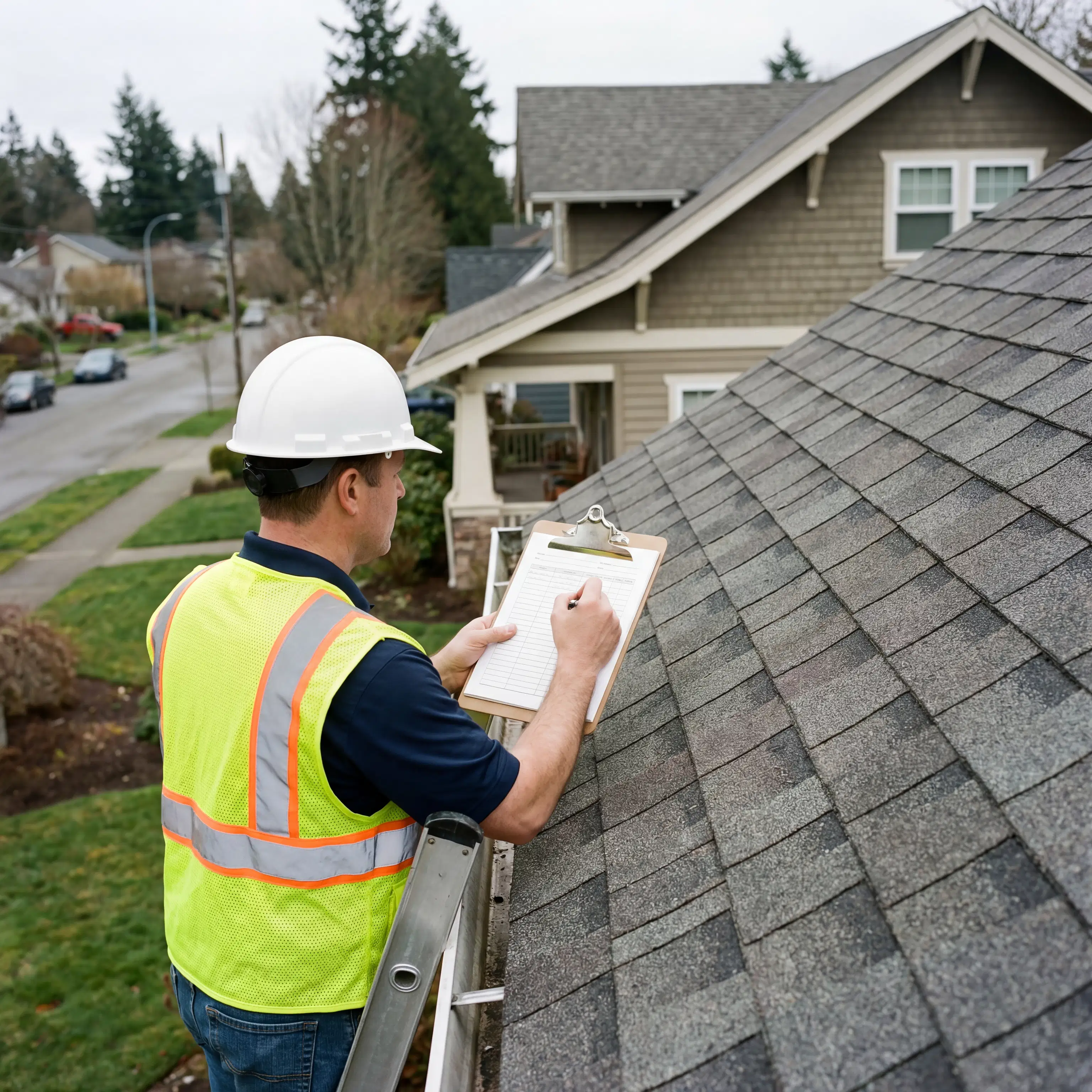
Step 1: Safely Assess and Document the Damage
After severe weather passes, your first instinct might be to grab a ladder and check the roof yourself. However, safety should always be your top priority. Instead of climbing up onto a potentially compromised structure, grab your smartphone or a camera and take a walk around your property to assess the damage from the ground.
Look for obvious signs of trouble, such as torn or missing shingles, pieces of flashing in your yard, or dents on your gutters and downspouts. Hail damage often leaves small, dark impact bruises on asphalt shingles that can eventually lead to leaks. If you notice water stains on your interior ceilings, that is a clear indicator that the storm has breached your roofing system.
Document everything you see with clear photographs and videos. This initial evidence is highly valuable when dealing with insurance adjusters for roof replacement or repair. Be sure to note the exact date and time the storm occurred, as your insurance company will check this against local weather reports.
Step 2: Review Your Homeowners Insurance Policy
Before making any phone calls, take a moment to review your insurance policy documents. You will want to understand your deductible, which is the amount you are responsible for paying before your insurance coverage kicks in. It is also important to know whether your policy provides Actual Cash Value (ACV) or Replacement Cost Value (RCV).
RCV policies will cover the cost to completely restore your roof to its pre-storm condition at today's market prices, minus your deductible. ACV policies, on the other hand, will factor in depreciation based on the age of your roof, which can result in a significantly lower payout. Knowing where you stand financially will help you set realistic expectations for the upcoming project.

Step 3: Partner With a Trusted Local Contractor
One of the biggest mistakes homeowners make is waiting for the insurance adjuster to arrive before contacting a roofing professional. Having an expert on your side from the very beginning can make a massive difference in the outcome of your claim.
It is unfortunately common for out-of-state storm chasers to flood our neighborhoods after a major storm. They often promise free roofs or offer to waive deductibles—practices that are heavily regulated and often illegal. Instead, you need a local, licensed, and insured expert in residential roofing who understands Indiana's building codes and weather challenges.
A reputable contractor will provide a comprehensive inspection, often utilizing modern drone technology to capture high-definition imagery of areas an adjuster might miss. They can clearly advise you on whether you should repair your roof or replace it entirely. Having your contractor present when the insurance adjuster evaluates your home ensures that all damage is accurately noted and nothing is swept under the rug.
Step 4: File the Claim and Advocate for Your Home
Once you have professional documentation of the damage, contact your insurance agent to officially file the claim. Provide them with the dates, the type of damage, and the photos you and your contractor have gathered.
Navigating denied homeowners roof insurance claims can be incredibly frustrating. Sometimes, initial claims are underfunded or rejected because the adjuster did not see the full extent of the damage. If this happens, your roofing partner can step in to provide supplemental documentation. We highly recommend utilizing dedicated insurance claim assistance to bridge the communication gap between you and your provider. A skilled local contractor speaks the same language as the insurance adjusters and can advocate on your behalf to ensure you receive a fair settlement.
Step 5: Schedule Your Restoration
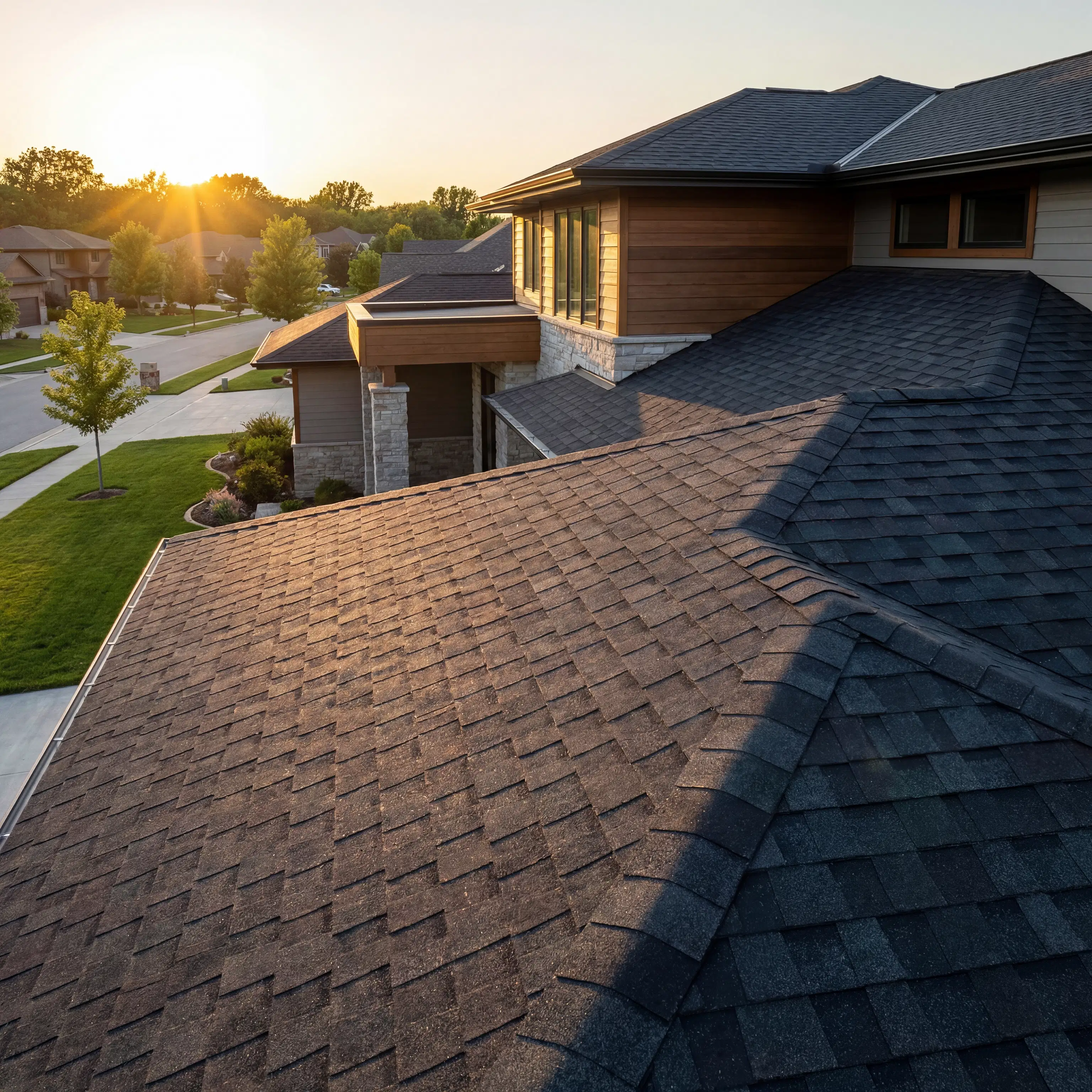
Once your claim is approved and the scope of work is agreed upon, it is time to schedule the actual construction. Depending on the extent of the damage, this might involve targeted repairs or a complete roof replacement.
Your contractor should walk you through material options that can better withstand future weather events, explain the timeline for the project, and provide clear, written warranties on both the products and the workmanship. A typical replacement on a standard home can often be completed in just one or two days, minimizing the disruption to your family's routine.
Get the Support You Deserve
Dealing with property damage is stressful enough without having to fight for the coverage you pay for every month. By documenting the damage, understanding your policy, and partnering with an honest local expert, you can confidently navigate the claims process and restore the safety of your home.
At Turnkey Exteriors, we believe in true Hoosier hospitality. We are deeply committed to helping homeowners throughout the Indy metro area protect their biggest investment. If you suspect your home has suffered weather damage, do not wait for a leak to appear. Contact us today to schedule a thorough inspection, and let our team guide you seamlessly through every step of your insurance claim.