
A Homeowner's Guide to Preventing Ice Dams and Winter Roof Damage in Indy
Another beautiful Indiana winter is upon us, bringing crisp air, cozy evenings, and maybe even a picturesque blanket of snow. But as homeowners in the Indianapolis area know, with that beauty comes a specific set of challenges for our homes. One of the most destructive and misunderstood winter woes is the ice dam. That thick ridge of ice at the edge of your roof might look like a wintery decoration, but it's often a sign of a serious problem that can lead to costly water damage inside your home.
Protecting your home—your biggest investment—is about more than just reacting to problems. It's about understanding them and taking proactive steps. In this guide, we'll break down what ice dams are, why they form on Hoosier homes, and the most effective ways to prevent them from causing damage this winter and for years to come.
What Exactly Is an Ice Dam?
An ice dam is a ridge of ice that forms at the edge of a roof, preventing melting snow (water) from draining off. It’s a classic case of a winter chain reaction. Here’s how it happens:
- Heat Escapes: Warm air from your living space rises and escapes into your attic. If your attic is poorly insulated or ventilated, this heat warms the underside of your roof deck.
- Snow Melts: The snow on the upper, warmer part of your roof melts, even when the outside temperature is below freezing.
- Water Refreezes: This meltwater flows down your roof until it reaches the colder eaves (the edges of the roof that extend past the house). Here, where there's no attic heat below, the water refreezes, creating a small dam of ice.
- The Dam Grows: As more snow melts and flows down, it hits this dam and freezes, causing the ice dam to grow larger. Eventually, a pool of water forms behind it.
This trapped water has nowhere to go but up. It seeps underneath your shingles, which are designed to shed water, not hold it back. Once under the shingles, it can leak into your attic, soaking insulation, damaging drywall on your ceilings and walls, and even leading to rot and mold. What starts on the outside can quickly become a major interior problem, compromising your home's structure and comfort.
The Real Culprits: Why Ice Dams Form in the First Place
While snow and cold temperatures are necessary ingredients, they aren't the root cause of ice dams. The real problem lies within your home's roofing system and attic. Understanding these core issues is the key to a long-term solution, not just a temporary fix.
-
Inadequate Attic Insulation: This is the number one cause. Insulation acts as a thermal barrier, keeping the warm air from your living space where it belongs. When insulation is thin, compressed, or improperly installed, heat easily escapes into the attic, kicking off the melting-and-freezing cycle. A properly insulated attic floor is crucial for keeping the roof deck uniformly cold.
-
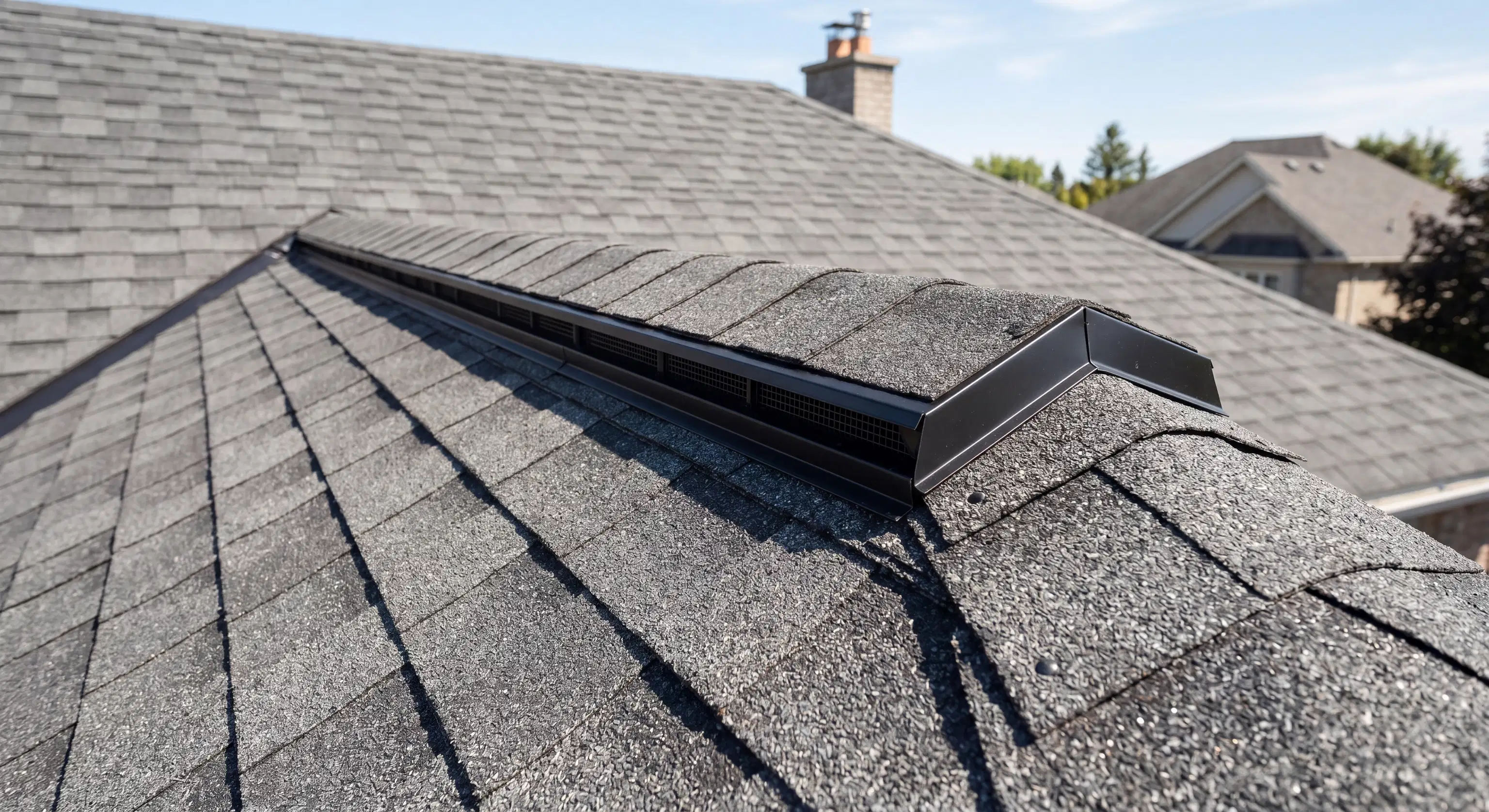
Poor Attic Ventilation: A well-ventilated attic allows cold outside air to circulate, keeping the roof deck consistently cool from eaves to peak. This prevents warm spots from forming and melting the snow above. A balanced system of intake vents (at the soffits or eaves) and exhaust vents (at the ridge or peak) is essential for maintaining a cold roof deck all winter long.
-
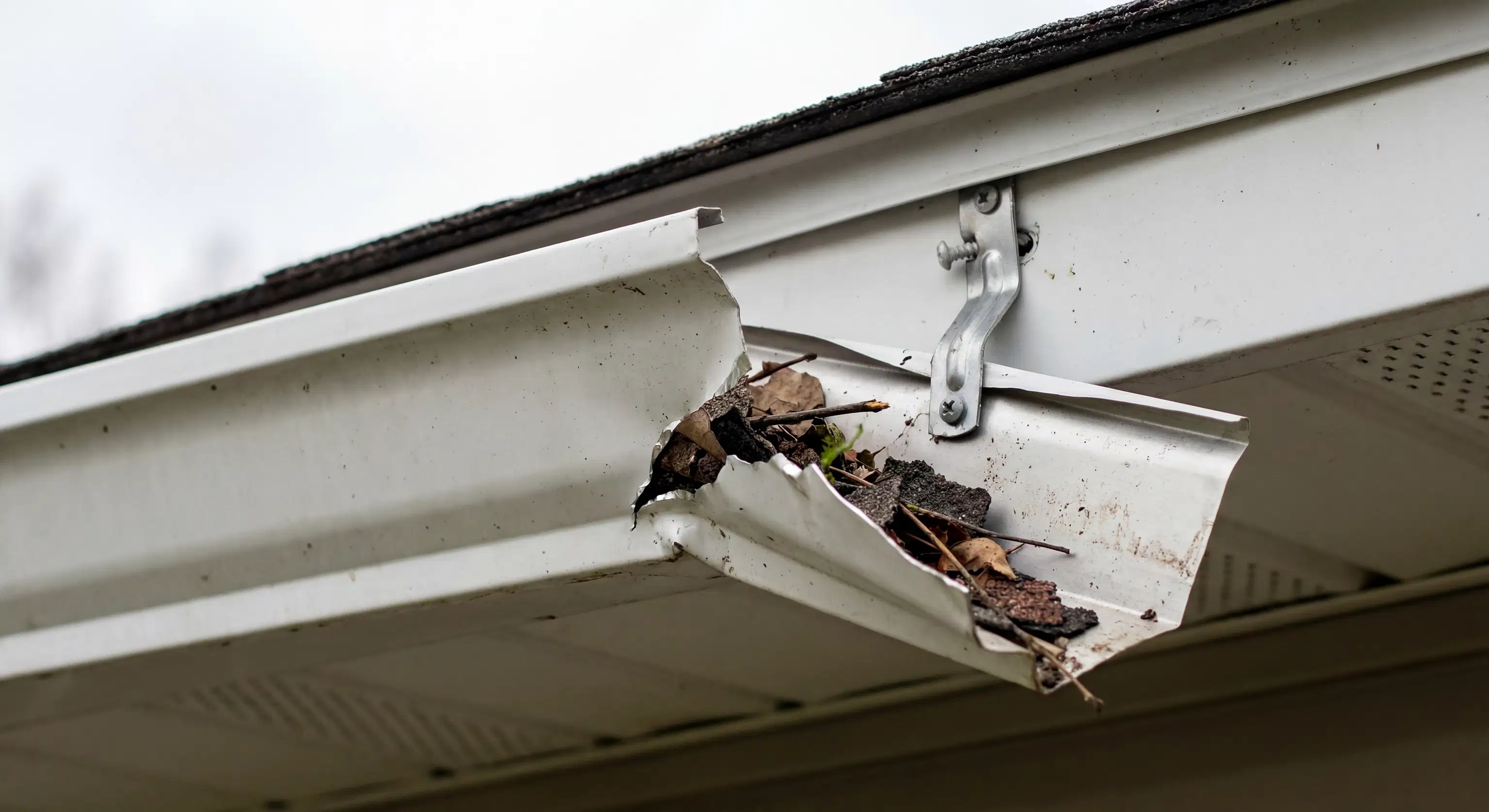
Clogged Gutters: While not a primary cause, gutters filled with autumn leaves and debris can certainly make the problem worse. When meltwater can't drain properly through the gutters and downspouts, it backs up and freezes more easily at the roof's edge, giving an ice dam a head start. Regular gutter maintenance is a simple but vital part of winter roof prep.
Proactive Steps for an Ice Dam-Free Winter
Preventing ice dams is far more effective and less expensive than dealing with the damage they cause. The best strategy involves addressing the root causes of heat loss and ensuring your entire roofing system works together.
Long-Term Solutions:
- Seal Air Leaks: Before adding insulation, it's important to seal any air leaks from the heated living space into the attic. This includes gaps around light fixtures, plumbing vents, and attic hatches.
- Upgrade Insulation & Ventilation: The most reliable way to stop ice dams for good is to have a professional assess and improve your attic's insulation and ventilation. This not only protects your home from water damage but can also lower your energy bills. This is a core part of our residential roofing services.
Seasonal Maintenance:
- Clean Your Gutters: Make sure your gutters are clear of debris before the first snowfall. This ensures that any meltwater has a clear path to drain away from your home.
- Remove Snow Carefully: After a heavy snowfall, you can use a long-handled roof rake to carefully remove snow from the first few feet of your roof edge. Never get on a snowy or icy roof yourself, and be careful not to damage the shingles with the rake.
- Schedule a Professional Inspection: If you're unsure about your roof's condition, a professional roof maintenance inspection can identify potential problems before they escalate. We can assess your insulation, ventilation, and overall roof health.
What to Do If You Already Have an Ice Dam
If you already see a formidable ice dam on your roof, it's important to act carefully to prevent further damage to your home and your roof.
First, resist the temptation to use a hammer or chisel to chip away at the ice. This can easily break your shingles and gutters, creating an even bigger problem. Similarly, avoid using rock salt or calcium chloride. These chemicals can be corrosive, damaging your roofing materials, gutters, and the landscaping below.
The safest and most effective way to remove an existing ice dam is to call a professional. Experienced roofing contractors use special equipment, like low-pressure steamers, to melt the ice quickly and safely without causing any harm to your roof. If you notice water leaking into your home, it's a sign that you need immediate roof repairs to address the issue and prevent further damage.
Protect Your Home This Winter with Turnkey Exteriors
Don't let a harsh Hoosier winter compromise the safety and integrity of your home. Understanding and preventing ice dams is a critical part of homeownership in our climate. By ensuring your attic is properly insulated and ventilated, you're not just stopping ice dams—you're protecting your home's value and ensuring your family's comfort.
If you're concerned about your roof's performance this winter or have noticed signs of ice dams, contact the experts at Turnkey Exteriors. We provide comprehensive roof inspections, maintenance, and repair services across the greater Indianapolis area. Contact us today to schedule your free assessment and enjoy peace of mind all season long.